
Khelo India's Revamped Scheme: Coaching Standards and School Sport
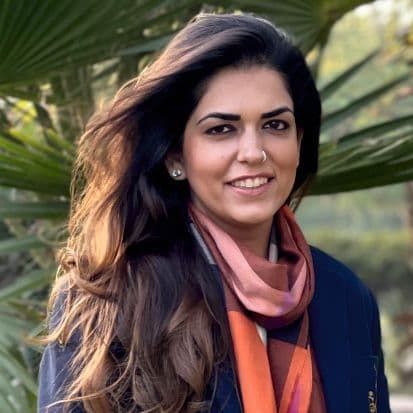 Aahna Mehrotra
The revamped KheloIndiaScheme was notified on August 10th. Five days later, the PrimeMinister, during his Independence Day speech, laid emphasis on sport, the 2036 goal and finding young talent early. Everything he spoke about, the groundwork for it had already been put in place through the scheme.
Two things personally stand out for me, both because they shaped my own years as a player: coaching, and school.
Start with coaching: for most of us who grew up playing, the coach you got was pure luck. Land the right one and you were taught how to train a body that was still growing, how to push it and when to leave it alone. Land the wrong one and you picked up habits, and injuries, that stayed with you for years (I landed the wrong one, which is why I quit playing tennis and moved to cricket). There was never a standard, no real way to know whether the person in charge of a talented child knew what they were doing. The scheme sets up a national board to accredit coaches and to standardise what a coaching qualification means. This provision goes a long way in helping decide who can be trusted with a young athlete’s body.
Then school: a lot of us who took a sport seriously as children remember the year it began to clash with studies, usually right when both mattered most. Somewhere around 13 or 14 a choice gets made, and for most families, understandably, the books win (mine won at 18). We lose more talent at that fork than to any shortage of ability. The scheme tries to remove the fork, writing sport into schooling through new feeder schools and dedicated sports schools, so that a gifted child can train properly and still be educated. Done right, a parent in a small town no longer has to gamble a child’s future to let them play.
There is plenty else in it, a wider group of supported athletes, more sports science, better record-keeping. But coaching and school are the ones that reach a child first, long before any of the elite set-up ever does. For all the talk of 2036, most of it comes down to whether an ordinary child gets a coach who knows what he is doing, and is not made to give up the game for the sake of school.
I know both forks from the inside, the wrong coach that ended my tennis career, and the books that finally won at 18. I have no complaints about where I am at in life today, but I was one of the lucky ones with another road to take.